The Far East and the Road Across Japan
Journey Context · From the Far East to the Beast
What Fictions officially says about Emma and Koo meeting in the far east, traveling across post-apocalyptic Japan and confronting powerful bosses — without inventing an unverified regional map.
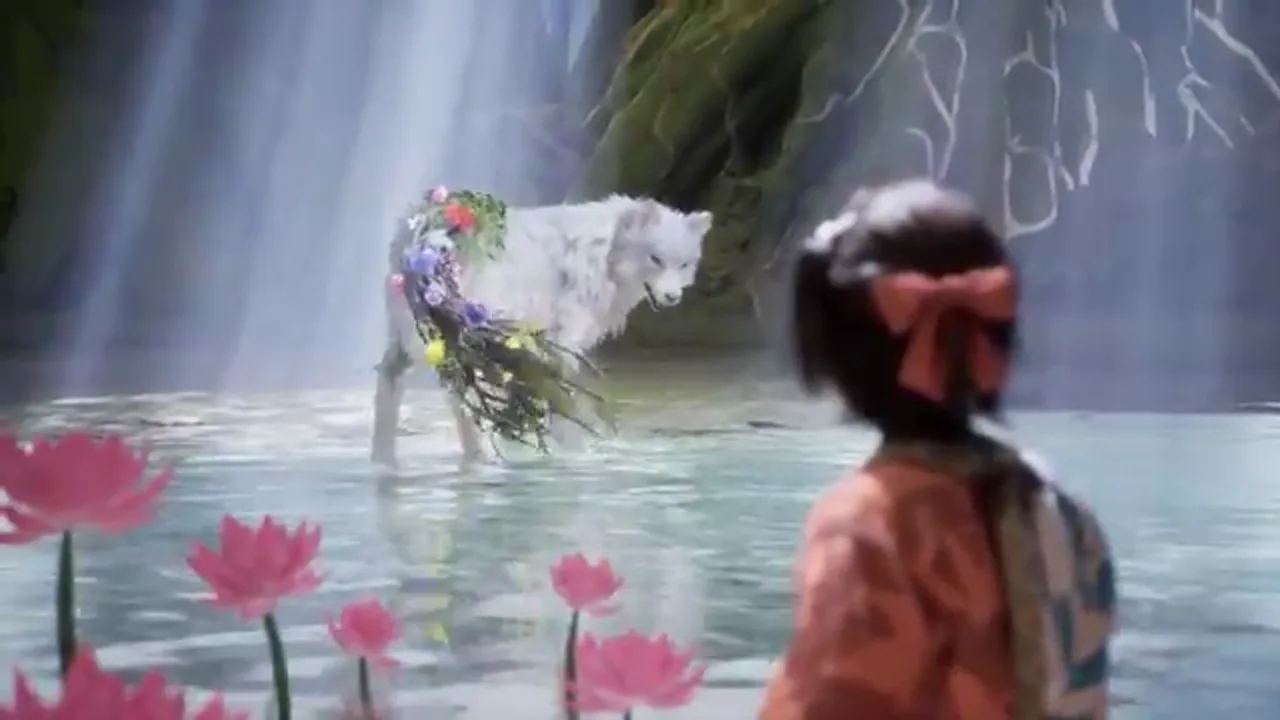
Emma and Koo meet in the far east and travel across a changing world.
Fictions gives the journey of Beast of Reincarnation a simple geographic anchor: Emma and Koo meet in the far east, then travel through the changing post-apocalyptic world to battle powerful bosses and pursue the Beast of Reincarnation. That is an important piece of world context. It tells us the pair’s route is a journey across Japan rather than a story confined to one settlement or a single forest.
It is not, however, a published atlas. The official game page does not give us a named list of provinces, a complete regional order, a set of coordinate markers or a route-by-route quest guide. This page explains what the far-east reference means in the confirmed story frame and why a responsible wiki should resist filling an empty map with plausible-sounding locations.
The far east is a starting context, not a complete map marker
Fictions says Emma and Koo meet in the far east and are tasked with fighting bosses from across the world, capturing their powers and ultimately confronting the Beast of Reincarnation. The phrase establishes a direction of travel and a relationship between the pair’s meeting place and their wider mission.
It does not identify a city, colony, prefecture or real-world landmark. Even though the game is set in Japan, it would be inaccurate to attach a real geographical name unless the game or a first-party source does so. A place can evoke traditional Japanese architecture, mountains, ruins or forests without being a direct one-to-one copy of a contemporary location.
This matters for guides. A player searching for an early route needs accurate progression information, not a speculative map label. Until a region name is confirmed, use the official directional context and describe visible, reproducible landmarks rather than converting a screenshot into a fake town name.
Japan in 4026: a journey through change
The year 4026 setting is a far-future, post-apocalyptic Japan transformed by the blight. Fictions calls it beautiful but harsh; PlayStation explains that the blight can gradually turn plains and wastelands into forests, and in some places can change the environment abruptly. This means “crossing Japan” is not simply a long trip from east to west on an unchanged road.
The landscape can be part of the threat. Forests erupt from wasteland, blighted areas produce unfamiliar danger and powerful enemies rule parts of the world. Emma’s plant-like hair can be used to traverse collapsed bridges and high walls, according to PlayStation, so movement through a transformed landscape is also tied to her abilities.
For the environmental system itself, read The Ever-Changing World. That entry separates the confirmed forest-transformation concept from unverified claims about triggers, timers or map behavior.
Why the route matters to Emma and Koo
The far-east meeting point is more than a line of geography because it frames a partnership. Emma is an outcast affected by blight; Koo is a malefact dog. The official premise places them in a world that treats both as abnormal or dangerous, then sends them outward together. Their bond and abilities are described as blossoming as they travel through the beautiful but brutal landscape.
The route therefore has a narrative and mechanical role. Narrative-wise, it puts two unlikely companions on a journey toward the source of the crisis. Mechanically, the game connects travel to bosses, captured powers, exploration and the changing environment. A world page should show that connection without claiming every step is linear or every region opens in the same order.
For the larger premise, see Everything Confirmed So Far. For the gameplay relationship between the pair, see Real-Time Action & Command Combat.
Bosses across the world
Fictions ties the cross-world journey directly to boss encounters. Emma and Koo are tasked with battling powerful bosses and capturing their powers. That gives the road an explicit progression purpose: travel is not a scenic interruption between disconnected fights; major encounters are part of how the pair grows.
The official source does not tell us how many regions exist, which boss belongs to which region, whether a boss is optional or how every power works. Do not use promotional art to assign a creature to a place without a verified label. The Captured Powers and Boss Progression page explains the confirmed boss-to-growth relationship and the evidence needed before a specific reward is documented.
It is also worth remembering that post-launch balance can change the feel of an encounter. Fictions’ first patch adjusts boss balance across difficulty levels, so detailed strategy pages should name the current version rather than treating a launch-day route as permanent.
Colonies, ruins and forests: what can be said safely
The official setting establishes several broad environmental ideas: devastated Japan, remaining habitable areas, changing forests, ruins and powerful hostile creatures. PlayStation says the story begins inside a Colony, one of the few habitable areas in the devastated world. Fictions describes a journey through varied landscapes and a world reshaped by blight.
Those statements support broad categories like colony, wasteland, forest and ruin. They do not prove a comprehensive set of named settlements or a complete population map. A page about a colony should identify whether it is describing an official story starting point, a current in-game observation or an interpretation based on visual material. Mixing those categories is how fan wikis accidentally turn a reasonable inference into a false fact.
Our existing Mountain Colonies and Ruins of the Old World entries are being revised from preview-era material. Their expected labels should remain until direct release-era evidence confirms the details.
How to navigate without inventing a route
When an official map is not published, useful navigation writing can still be careful. It can describe the confirmed goal, the world state, the player’s platform and the version being used. It can name an official story destination if the game names it, then show the route conditions that a player can reproduce. It should not claim that “the eastern region always comes first” or that a specific ruin is in a real Japanese prefecture without proof.
A solid region guide should include:
- the official or in-game name of the area;
- the version and platform checked;
- a spoiler label and the relevant story progress;
- reproducible landmarks or menu names;
- a source for any boss, item or transformation claim.
This is a higher standard than a generic travel blog, but it is the right one for a game whose world changes and whose first patches are still refining player experience.
The verified takeaway
Emma and Koo meet in the far east, then cross a transforming far-future Japan toward powerful bosses and the Beast of Reincarnation. The world contains colonies, wastelands, forests and ruins shaped by the blight; some details change over time, and Emma’s plant powers help her move through difficult terrain.
That is enough to make the far east meaningful without pretending we already have a complete cartographic database. As official and reproducible release-era information grows, this page will link to verified regional entries. Until then, its job is to preserve the real journey frame and prevent a beautiful setting from being buried under invented map trivia.