Colonies and Humanity in a Blighted Japan
Social Context · Habitable Spaces in a Devastated World
A spoiler-light, evidence-led look at the Colony where Beast of Reincarnation begins, the scarcity of habitable areas, and why Emma and Koo's outsider status matters without inventing social rules.
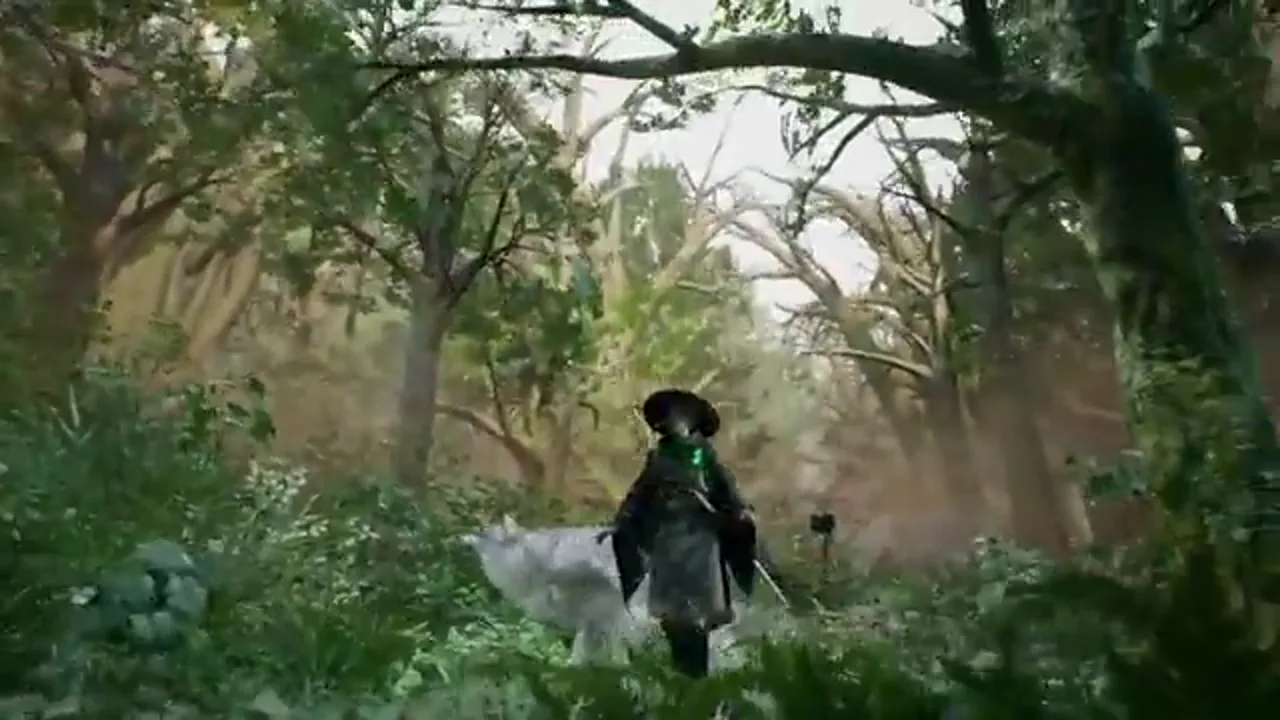
The story begins inside a Colony, one of the few habitable areas in the devastated world.
Humanity survives in limited habitable spaces in the world of Beast of Reincarnation. PlayStation’s official launch article says the story begins inside a Colony, one of the few habitable areas left in a world devastated by the blight. That sentence is the clearest first-party foundation for discussing people and settlements: the setting is not empty, but safe places are scarce.
It also gives the protagonists’ situation a sharper edge. Emma is blightborn and shunned by others; Koo is a malefact dog. The pair are not introduced as comfortable representatives of a secure settlement. They are outsiders in a society struggling to remain habitable while the blight reshapes the landscape. This page keeps the focus on that confirmed context. It does not manufacture a colony name, government, class system, population figure or complete civilian cast that the sources have not published.
What a Colony means in the official premise
The capital C in “Colony” is used by PlayStation for the place where the story begins. It is described as one of the few habitable areas in a devastated world. At the minimum, that establishes a contrast between a livable human space and the dangerous, blight-altered country beyond it. It also tells us that the opening is not simply in an anonymous wilderness.
The public article does not disclose the Colony’s formal name, its exact location, its leader, its rules or whether all colonies share the same structure. A responsible reference page should not infer those details from a gate, costume or piece of architecture in a trailer. Visual atmosphere can inform an image description; it cannot prove a political fact.
This restraint makes the existing fact more useful. Readers can confidently understand that habitable human space is precious in the setting, and that the story begins from one such space. When a release-era quest, codex entry or official support material identifies additional details, they can be added with the specific source and story context attached.
Scarcity shapes the stakes
Fictions describes a far-future Japan transformed by blight, where forests burst from wastelands. PlayStation adds that the blight can gradually turn plains and wastelands into forests or abruptly change an area through unseen malefacts. Taken together, these official descriptions make habitation an active problem, not merely an old historical footnote.
“Few habitable areas” does not say that every location outside a Colony is instantly lethal, or that no one lives beyond settlement walls. It does say that safe, sustainable places are unusual enough to be part of the opening premise. That helps explain why the world can feel both beautiful and harsh: wild regrowth and striking ruins coexist with a human need for reliable shelter.
The environmental side of this context is explored in Forest Transformation and the Changing World. That page distinguishes the confirmed blight-to-forest concept from unverified claims about detailed map mechanics. The social conclusion here is narrower: when the land is unstable and dangerous, a livable settlement carries weight.
Emma as an outcast
PlayStation calls Emma blightborn and says she has been shunned by those around her. Her plant-like hair is tied to the blight, and it gives her unusual traversal abilities such as crossing broken bridges and scaling high walls. She is also a Sealer, tasked with hunting malefacts and absorbing the blight they carry.
Those facts establish an important tension. Emma has abilities that are central to confronting the world’s threat, yet her connection to that threat is a reason others reject her. It would be easy to expand that into a detailed account of legal status, family history or every resident’s attitude, but the official overview does not provide those particulars. “Shunned” should remain the source-backed word until the game itself gives a more precise account.
For the detailed, spoiler-light profile, read Emma, the Blightborn. Its purpose is to explain the confirmed role and abilities without converting a short official premise into invented biography.
Koo and the boundary of humanity
Koo is identified by the official materials as a malefact dog. In a world where malefacts are connected to danger and environmental change, that makes him an unlikely companion for a Sealer. Fictions says Emma and Koo meet in the far east, journey across the world and grow closer as they fight powerful bosses. PlayStation describes their combination in both narrative and combat terms: Emma acts in real time, while Koo’s techniques are selected through a command system.
The pair therefore challenge a simple inside/outside divide. Emma is human but blightborn and excluded; Koo is a malefact but a player-commanded partner. That is an interpretation of the official setup, not a claim that the game has published a philosophical doctrine about personhood. It is useful because it explains why their companionship matters in a setting built around scarce human safety and pervasive blight.
Read Koo, the Malefact Dog for the confirmed companion profile and Koo Command Points for the directly supported combat link between Emma’s just guards and Koo’s skills.
Leaving the Colony
The story begins inside a Colony, but the official journey does not stay there. Fictions places Emma and Koo’s meeting in the far east and sends them across the changing world to face powerful bosses and eventually the Beast of Reincarnation. That movement gives the opening settlement a narrative function: it is the starting contrast for an outward mission through a land that is no longer reliably habitable.
Do not turn that into an unsupported linear-route claim. The sources do not provide a complete order of regions, a list of return visits or a map of every colony. What they do support is a movement from a rare habitable space into a broader world shaped by blight, forests, ruins and hostile beings. The Far East and the Road Across Japan preserves that journey frame without pretending the site has a finished atlas.
The departure also changes the meaning of Emma’s and Koo’s abilities. Emma’s traversal hair helps her move through broken or elevated terrain; Koo’s command techniques make the pair tactically distinct in combat. A hostile landscape makes those capabilities feel practical as well as dramatic. The exact areas where each tool applies should be recorded only when a source or reproducible playthrough confirms them.
What not to claim yet
Several tempting details remain outside the public record: whether Colonies trade with each other, how food or power is supplied, how residents respond to every malefact, whether the opening Colony can be permanently altered, and the names and roles of its inhabitants. A wiki should mark those as unknown rather than filling a page with familiar post-apocalypse conventions.
The same applies to apparent architecture. A frame may show timber, ruins, machines or vegetation, but none alone proves a settlement’s age, government or culture. The official YouTube frame attached to this page is a visual reference from PlayStation’s trailer, recorded in the site’s source ledger. It illustrates the journey’s overgrown setting; it does not claim to depict the opening Colony itself.
This evidence standard is not a lack of imagination. It is how an evolving, post-launch guide stays correct when story details become available. Future pages can cover named settlements, people and quests with spoiler labels, build versions and direct citations. Until then, the site is clearer when it says exactly what has been confirmed.
The verified takeaway
The opening takes place in a Colony, one of the few habitable areas left after blight devastates the world. Emma, a shunned blightborn Sealer, and Koo, a malefact dog, leave that human context to travel through a changing Japan and confront the forces behind its danger. The premise makes settlement, exclusion and partnership central themes.
We do not yet have a public encyclopedia of colony law, names or population. By retaining that boundary, this page gives readers a dependable starting point for the human side of the setting—and leaves room for the actual game to supply the details rather than replacing them with fan fiction.