Malefacts: The Confirmed Threat Category
Bestiary Overview · Creatures Tied to Blight
A source-checked guide to the malefacts of Beast of Reincarnation: the official threat term, Emma’s Sealer duty, Koo’s unusual identity, giant Nushi, blighted forests and the reason unnamed trailer creatures should not receive invented classifications.
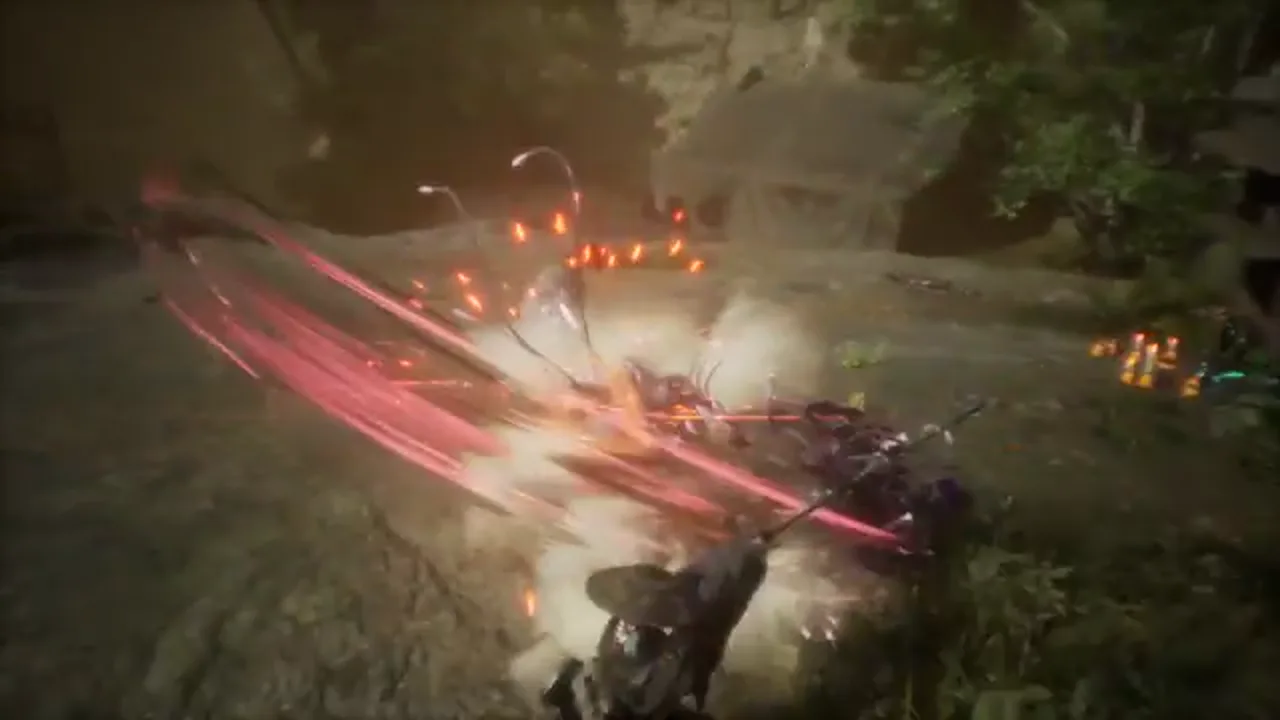
Malefacts are creatures that pose a dire threat to the world.
“Malefact” is the official world term for a creature that poses a dire threat in Beast of Reincarnation. The word is central to the setting. Emma is a Sealer tasked with hunting malefacts and absorbing their blight; Koo is identified as a malefact dog; and giant malefacts called Nushi generate the dense areas known as blighted forests. The category connects the personal, combat and environmental parts of the game.
It is not, however, a license to name every monster visible in a trailer. The current official overview does not publish a complete species list, taxonomy, element table, weakness chart, spawn catalogue or full enemy encyclopedia. This page uses the confirmed term as a reliable starting point and explains the evidence standard needed before a detailed creature page becomes trustworthy.
The official meaning of malefact
Xbox Wire describes Koo as “what’s known as a malefact,” then defines the category as creatures that pose a dire threat to the world. That wording gives the term a narrative and ecological function. Malefacts are not simply generic enemies with a cosmetic look; they are part of the danger bound up with blight and the world’s crisis.
The source does not say that every hostile creature is a malefact, that every malefact is biologically identical or that each has an identical relationship to the blight. It also does not give a full definition of how a creature becomes one. Avoid a rigid taxonomy until the released game names and explains individual cases.
The useful fact is the official vocabulary. Use “malefact” when the game or first-party material does. Use a neutral description such as “hostile creature” when a trailer frame has not provided a label.
Emma’s role makes the term personal
Emma is a Sealer whose duty requires her to hunt malefacts and absorb their blight into her own body. This gives the term immediate stakes. The category is not an abstract encyclopedia heading; it describes the beings at the center of her responsibility in a world devastated by the same force that affects her.
The public material does not explain every step of sealing. It does not state that every kill produces an identical resource, whether all malefacts can be sealed in the same way, or how much blight Emma can absorb. Those are gameplay and story details that should be documented only with direct current-game evidence.
Emma: The Blightborn Sealer provides the source-backed character context. This page keeps the focus on the category she confronts rather than inventing an encounter database.
Koo is the important exception in the partnership
Koo’s identity as a malefact dog makes him unusual in relation to Emma. Rather than functioning only as a target of the Sealer’s duty, he becomes her companion and a player-commanded combat partner. The game’s one-person, one-dog premise is built around this tension.
Koo’s techniques are selected through a command menu, and Emma’s successful parries earn the points that activate them. That means the malefact companion is integral to the player’s tactical options. The official sources do not say why every malefact is hostile, whether Koo is unique in every respect or how his status will resolve in the story. Do not make the exception into a general rule about the category.
For the companion profile, see Koo: The Malefact Dog. For the player-controlled system, see Commanding Koo.
Nushi are giant malefacts
The Developer_Direct article supplies a named giant class: Nushi. These giant malefacts generate blighted forests. Emma and Koo fight through the forests and their malefacts to take down the Nushi, then gain power and skills needed on the path toward the Beast of Reincarnation.
Nushi therefore give the malefact term an environmental scale. A major creature can affect the shape of a region rather than only the immediate fight. But a Nushi is not a synonym for every large monster. The source identifies it as a particular giant class. Wait for a direct label before calling a creature in footage a Nushi.
The official overview also does not give a full Nushi roster, a boss order, individual weakness list or a guarantee about what happens to every forest after a defeat. Nushi: Giant Malefacts and Blighted Forest Bosses records precisely what is confirmed.
Malefacts and a changing world
PlayStation says the blight can make wastelands and plains gradually become forests and, in some places, cause abrupt forest growth through unseen malefacts. Xbox Wire later connects the named blighted forests to Nushi. This means malefacts are part of a world system as well as an enemy context.
It does not prove every forested area is occupied by a malefact or that every change is tied to one visible creature. A route page should describe exact current conditions, not infer a cause from vegetation alone. Wasteland and Blighted Forests separates the landscape facts from unverified map behavior.
The broader interpretation is solid: the malefact threat is woven into the land itself. That makes the bestiary relevant to exploration, not merely to damage calculations.
How to write an individual creature page
An individual entry should begin with an in-game or official name. It should record the platform, version and difficulty checked, then separate direct description from observed behavior. If it describes a weakness or reward, it should include the evidence: item text, dialogue, a current reproducible test or an official source.
Avoid using visual resemblance as a classification. A creature with vines is not automatically plant-fused; a metallic silhouette is not automatically a machine; a large model is not automatically a boss. These page labels are useful only after facts support them. The existing bestiary structure can grow with verified entries, but it should not turn placeholders into canon.
Combat advice needs version context
Fictions’ first post-launch patch adjusts boss balance across difficulties, Normal encounter balance and a parry-related condition. That means even an accurately observed creature behavior can be version-sensitive. A strategy should name the current build and difficulty. A launch-day clip without context should be treated as historical evidence, not a permanent rule.
The same applies to command use. Koo’s skills are powerful but their complete effects and costs are not fully published in the primary overview. A source-led bestiary is more useful when it says “not verified” than when it invents a universal answer.
The verified takeaway
Malefacts are the official threat category in Beast of Reincarnation. Emma hunts them as a Sealer; Koo is a malefact dog and commandable partner; giant Nushi are malefacts that generate blighted forests. These facts link enemy, story and environment.
The complete creature catalogue, names, weaknesses and rewards remain incomplete in public official material. Use direct in-game labels and versioned evidence before expanding an individual entry beyond what is actually confirmed.