Beast of Reincarnation Debuts at Number Three in Japan as Players Map Out Final Armor Locations
Game Freak's action RPG secures strong PS5 physical sales in Japan. We examine the community response, missing QoL features, and the ongoing gear hunt.
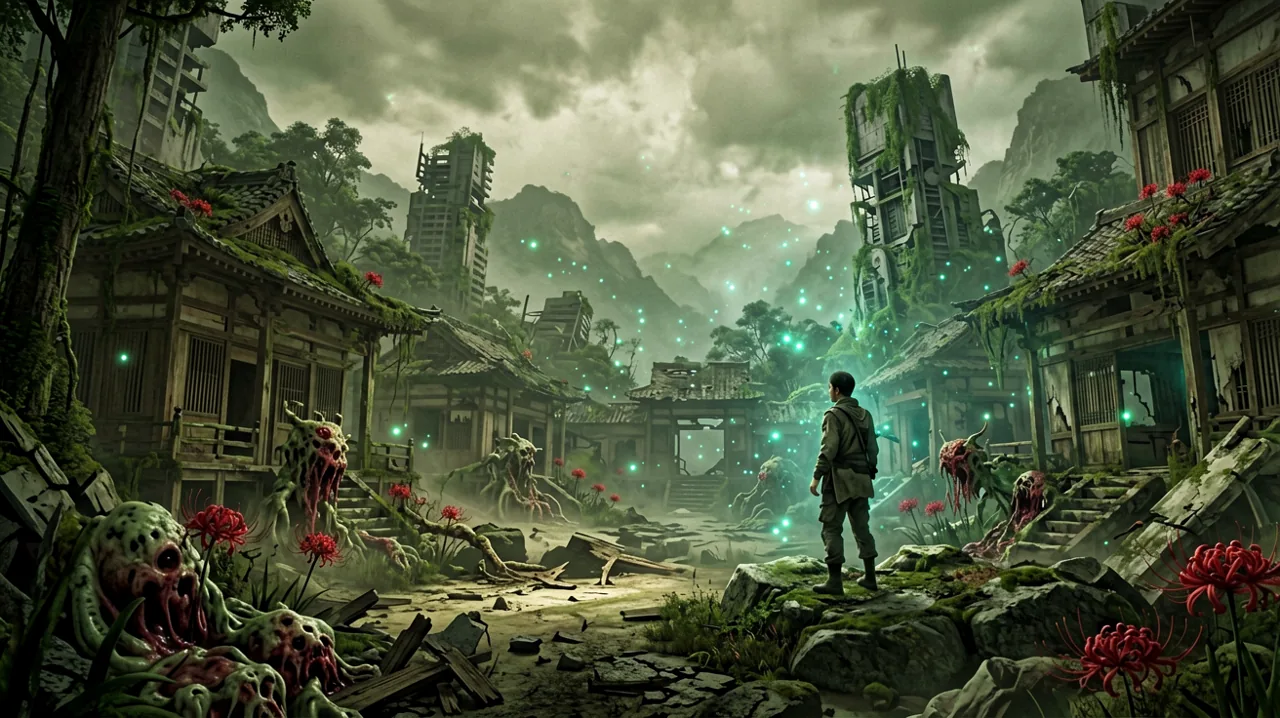
More than two weeks after its highly anticipated launch, Game Freak’s drastic departure from their traditional catalog continues to dominate gaming conversations. Released on August 4, 2026, Beast of Reincarnation transported players away from family-friendly creature catching and dropped them directly into the harrowing, parasite-choked ruins of a futuristic 4026 Japan. As players continue to guide Emma—an eighteen-year-old Sealer burdened with the horrifying ability to manipulate plant-like hair—and her fiercely loyal malefact dog Koo through this hostile world, we are finally seeing the commercial and cultural impact of the studio’s massive gamble. From impressive physical sales charts in Japan to deep, philosophical readings of the game’s environmental themes, the post-launch window has been incredibly eventful.
A Surprisingly Dominant Physical Debut in Japan
When a title launches on a subscription service like Xbox Game Pass on day one, industry analysts typically expect a significant reduction in traditional retail sales. However, the Japanese market has demonstrated a potent appetite for Beast of Reincarnation on Sony’s hardware. According to the latest Famitsu software sales data covering the two-week span from August 3 to August 16, the game secured the number three spot on the national charts. Moving an estimated 48,157 physical units exclusively on the PlayStation 5, the title outperformed a swath of established franchises and held its own against the absolute dominance of Nintendo’s hardware ecosystem.
This commercial milestone is noteworthy for several reasons. First, this is a completely unproven intellectual property navigating the famously unforgiving hardcore action RPG space—a genre heavily saturated by modern classics. Second, the setting itself is a bleak, uncompromising vision of the developers’ home country. The hyper-futuristic Tokyo and its surrounding mountain settlements are presented not as glowing cyberpunk utopias, but as decaying graveyards swallowed by the creeping blight. The fact that nearly fifty thousand players opted for a full-priced physical disc instead of utilizing digital storefronts or subscription models indicates that the striking aesthetic and the promise of a brutal mechanical challenge resonated deeply with the core audience.
The Blight as a Taxing Reflection of Humanity
While the combat systems require immaculate timing and tactical coordination between Emma and Koo, the narrative layer of Beast of Reincarnation is generating equally passionate discourse. A recent review published by AOL.co.uk astutely categorized the experience as a “taxing reflection of human-made damage.” This is not merely a backdrop for violence; the environmental collapse is baked directly into the gameplay loop.
The blight—a virulent, parasitic anomaly that mutates flora and fauna into grotesque malefact monstrosities—acts as a heavy-handed but effective metaphor for ecological negligence. The AOL review points out that the game forces players to confront “repetitive erosion cycles.” Emma’s status as a Sealer means she does not simply kill the corruption; she absorbs it. Her mutated, vine-like arms are a physical manifestation of the trauma the earth has endured. By pulling the blight into her own body to seal it away, the game transforms standard action RPG mechanics into an act of profound self-sacrifice. You can read more about how the game constructs this bleak atmosphere in our story and setting breakdown.
Players are finding that this thematic heaviness makes the grueling difficulty feel justified. When you are squaring off against a towering, grotesquely beautiful malefact, you are not just fighting a boss; you are fighting the accumulated consequences of a society that pushed its technology too far. It is a grim, isolating journey, but one that grounds its high-stakes fantasy in recognizable anxieties.
Community Verdict: Unmatched Companionship Held Back by UI Quirks
Across dedicated community forums and subreddits, the sentiment surrounding Beast of Reincarnation is fiercely protective, yet highly critical of its rougher edges. Dedicated action RPG fans are loudly praising the core combat loop, frequently comparing the scale and emotional weight of the boss encounters to the legendary Shadow of the Colossus. The defining triumph of the game, according to overwhelmingly positive player reports, is the organic bond between Emma and Koo. Directing a massive, white-furred wolf through slow-motion tactical assists while Emma capitalizes on stagger windows creates a rhythmic, satisfying dance of destruction.
However, this widespread affection is currently clashing with a host of missing Quality of Life (QoL) features that betray the game’s lack of polish. Specifically, players have highlighted a few recurring issues:
- The UI Skill Point Limitation: A prominent discussion thread among trophy hunters recently highlighted a bizarre interface quirk. When players reach the late-game scaling phase and attempt to respec their experience around level 100, the skill point counter visually hard-caps at 999. Because the user interface appears unable to accommodate four digits, players reported immediate anxiety that their progression was entirely lost. Community testing quickly confirmed that the points still register in the background, but this visual bug remains a frequent pain point.
- Static Character Appearances: Furthermore, the complete absence of visual customization has left many players disappointed. In a genre where aesthetics are often treated as the true endgame, acquiring new gear in Beast of Reincarnation offers zero cosmetic changes. Whether you equip starter rags or the most heavily fortified endgame plating, Emma and Koo’s outward appearance remains entirely static. For a game that places massive emphasis on visual storytelling, the inability to customize the dual protagonists feels like a stark omission.
- Cinematic Presentation: Finally, players have heavily debated the game’s cinematic execution. During cutscenes, the character animations and facial expressions are notoriously stiff and robotic. While a generous portion of the community theorizes that this is a deliberate design choice—intended to reflect the emotionally detached, traumatized psychological state of survivors living in a ruined 4026—the prevailing consensus is that it is simply a byproduct of budget limitations and the team’s first foray into Unreal Engine 5.
The Final Scavenger Hunt: Mapping Armors and Manuals
Despite the frustrations regarding cosmetics, the mechanical depth of the equipment system is keeping the player base thoroughly engaged. Now that the initial launch rush has subsided, the community has pivoted toward exhaustive completionism. Prominent outlets like Rock Paper Shotgun have actively begun documenting the map, publishing extensive lists detailing all armor locations and manual spawn points.
The pursuit of these items is far more than a simple checklist exercise; it is an absolute necessity for surviving the punishing difficulty spikes found in the game’s final act. As we noted in our spirit stone mechanics overview, the true value of any armor piece lies not in its base defense, but in its spirit stone slots. Because the gear does not alter Emma’s appearance, players are forced to evaluate equipment purely on its tactical merits. Finding a hidden chest containing armor with a unique arrangement of spirit stone slots can entirely alter your approach to a difficult malefact encounter, allowing for highly specialized builds that maximize Koo’s crowd control or Emma’s parry windows.
Similarly, tracking down the game’s scattered Manuals has become a central focus for the community. According to recent guides, these rare documents are essential for expanding the player’s repertoire of usable items. Given the unforgiving nature of the blight and the brutal damage output of endgame enemies, having access to advanced healing and buffing items is non-negotiable. Reaching the locations of these Manuals often requires players to master Emma’s vine-based traversal abilities, turning the ruined, overgrown landscapes into complex vertical puzzles. The placement of these rewards incentivizes deep exploration, ensuring that every destroyed skyscraper or flooded cavern serves a mechanical purpose.
Looking Forward
As the first month of release draws to a close, Beast of Reincarnation stands as a monumental, if imperfect, achievement for Game Freak. The strong physical sales in Japan prove that there is a massive audience hungry for their specific brand of post-apocalyptic action, while the community’s vocal feedback provides a clear roadmap for future updates. If upcoming patches can address the jarring user interface bugs and perhaps inject a bit more life into the cinematic animations, the game’s legacy will only grow stronger. For now, players will undoubtedly remain in the ruined mountains of 4026, hunting for the last remaining spirit stones, fighting massive beasts side-by-side with Koo, and slowly cleansing the earth of its self-inflicted blight.